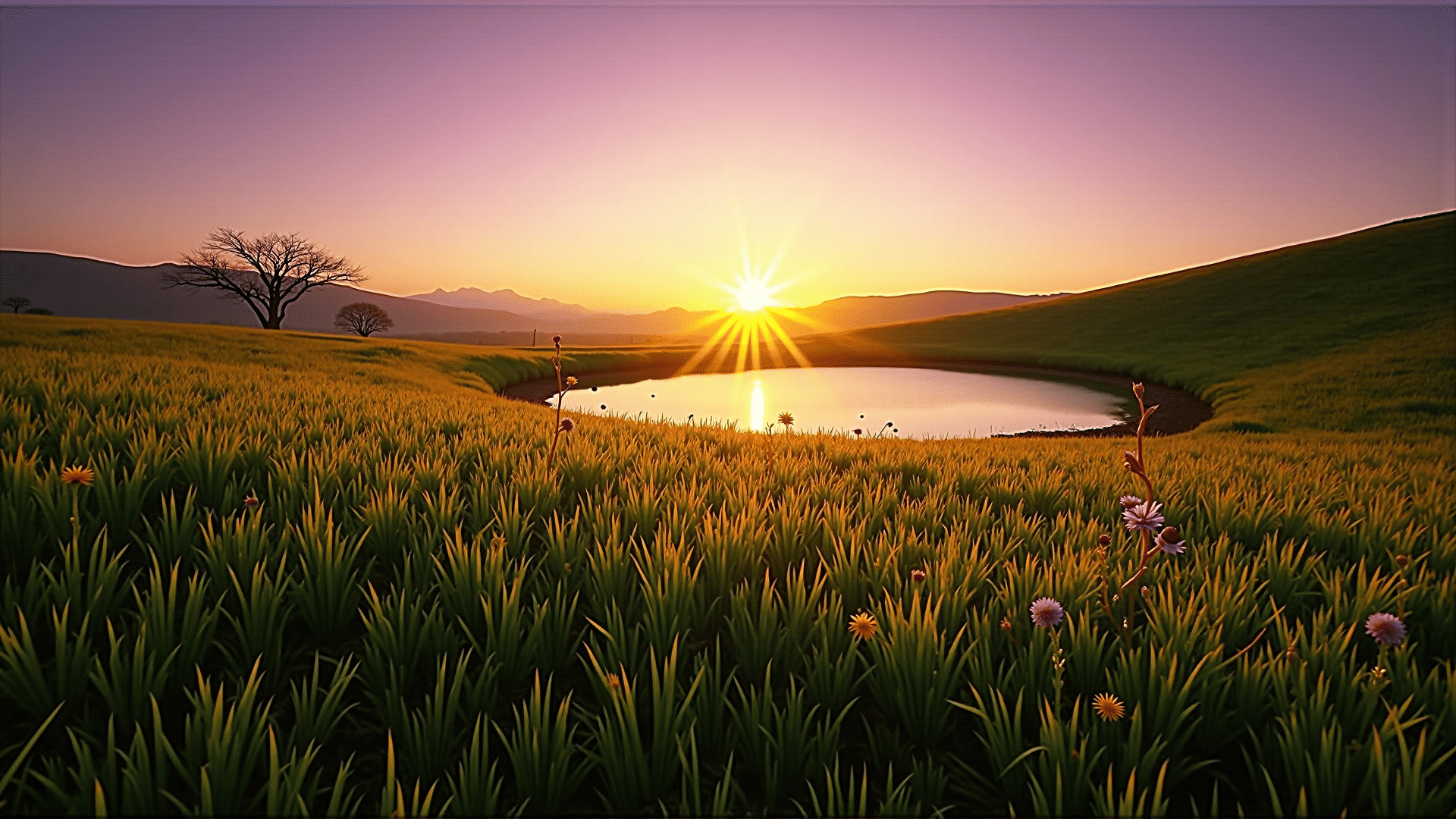
Capturing the beauty of nature in photography requires an understanding and appreciation of light. Light is a powerful tool that can transform an ordinary scene into an extraordinary one. The essence of nature photography lies in using natural light effectively to bring out the best in landscapes, flowers, and wildlife.
The Magic of Golden Hours
The golden hours, which occur shortly after sunrise and before sunset, offer a quality of light that is soft, warm, and directional. This time of day is perfect for photographing landscapes as the low angle of the sun creates long shadows and highlights textures that are not visible under harsher midday light. Whether you're capturing a sprawling vista or a tranquil garden, the golden hours imbue your images with a subtle glow that is hard to replicate at other times.
Harnessing Backlighting
Backlighting, where the light source is behind your subject, can create stunning effects, especially with translucent subjects like flowers. This technique can emphasize the delicate structure of petals or leaves, creating a halo effect that adds depth and drama to your images. Wildlife photography can also benefit from backlighting, making the fur of animals appear radiant and their silhouettes stand out against the sky.
Overcast Days: A Hidden Opportunity
While sunny days may seem ideal for nature photography, overcast conditions offer diffused lighting that eliminates harsh shadows and provides even illumination. This type of light is particularly beneficial for capturing close-ups and macro shots, allowing the intricate details of flowers and insects to come through without the distraction of hard contrasts. Overcast skies can also give a moody atmosphere to landscapes, emphasizing tones and textures in a serene manner.
The Impact of Reflections and Shadows
Reflections and shadows are powerful compositional elements that can dramatically alter the feeling of a photograph. Exploring a scene for reflective surfaces, such as water bodies, can add a dimension of artistry to your shots. Similarly, using shadows creatively can highlight patterns and provide a sense of scale and mystery.
Adjusting to Changing Conditions
Nature is constantly changing, and so is the light. Clouds, weather, and time of day all play a role in shaping the available light. Adapting to these changes requires a flexible approach and an open mind. There might be moments when a fleeting cloud can soften the harsh midday sun, or a sudden break in the clouds during a sunset can offer a dazzling display of colors.
Conclusion
Mastering the art of using natural light in photography can enrich your experience and bring a unique perspective to your work. By understanding and adapting to the light in its various forms, you can create compelling and emotive images that truly capture the heart of the natural world. Embrace the nuances of light, and you’ll unveil the hidden beauty of your surroundings through your lens.