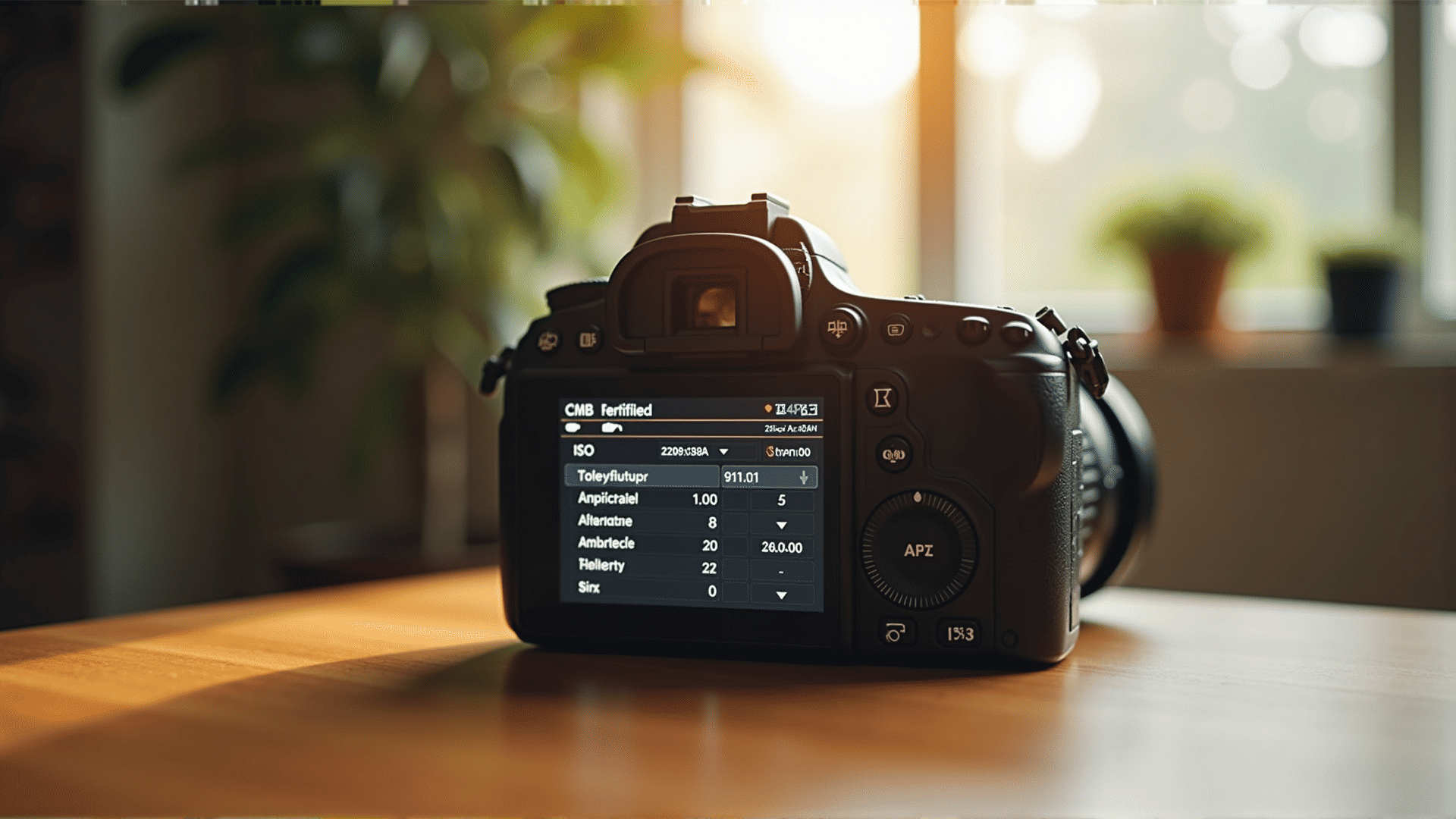
Understanding the intricacies of camera settings is fundamental to capturing images that truly stand out. Three primary settings—ISO, shutter speed, and aperture—work together to determine the exposure and quality of a photograph. Mastering these elements can transform your photography skills and help you achieve the perfect shot in any environment.
ISO Sensitivity:
ISO measures the sensitivity of your camera's sensor to light. A lower ISO value, such as 100 or 200, indicates low sensitivity, which is ideal for bright conditions. Conversely, a higher ISO value boosts sensitivity, allowing for better capture in low-light situations. However, elevated ISO can introduce noise, or graininess, into your images. Striking a balance between light conditions and ISO is crucial for maintaining image quality.
Shutter Speed Control:
Shutter speed refers to how long the camera's shutter remains open to let light in. It is measured in fractions of a second (e.g., 1/500) for shorter exposures or full seconds for longer ones. A fast shutter speed can freeze motion, ideal for sports or wildlife shots. A slower speed allows for motion blur, which can convey movement and create dynamic effects, like smoothing flowing water or capturing light trails. When adjusting shutter speed, the photographer must consider whether motion should be frozen or emphasized.
Aperture Settings:
Aperture is the size of the opening in the lens diaphragm that lets light reach the sensor. It is expressed in f-stops (e.g., f/2.8, f/16). A wider aperture (a lower f-stop number) means more light enters the camera, which is effective for low-light scenarios and achieves a shallow depth of field. This technique is perfect for portraits, where the subject stands out sharply against a blurred background. Alternatively, a narrower aperture increases depth of field, making it suitable for landscapes where detail across the scene is essential.
Balancing the Trio:
Creating the perfect exposure is a balancing act between ISO, shutter speed, and aperture. This trio forms the "exposure triangle." Changing one element requires adjustments in the others to maintain a well-exposed photograph. For instance, if you're shooting in low light and raise the ISO for better sensitivity, you might need to tweak shutter speed or aperture to prevent noise without losing detail or desired effects.
Practical Application:
To put these elements into practice, consider experimenting in different lighting conditions. Begin by setting one of these variables based on your creative goal, then adjust the others to see how they impact the final image. Over time, doing so will increase your proficiency and confidence with manual shooting.
In conclusion, understanding the science behind camera settings opens up a world of creative possibilities. Mastery of ISO, shutter speed, and aperture not only helps in capturing the perfect shot but also instills a deeper appreciation for the art and technicalities of photography. As you continue to develop your skills, remember that practice is key, and each photograph offers a new opportunity to learn and grow.