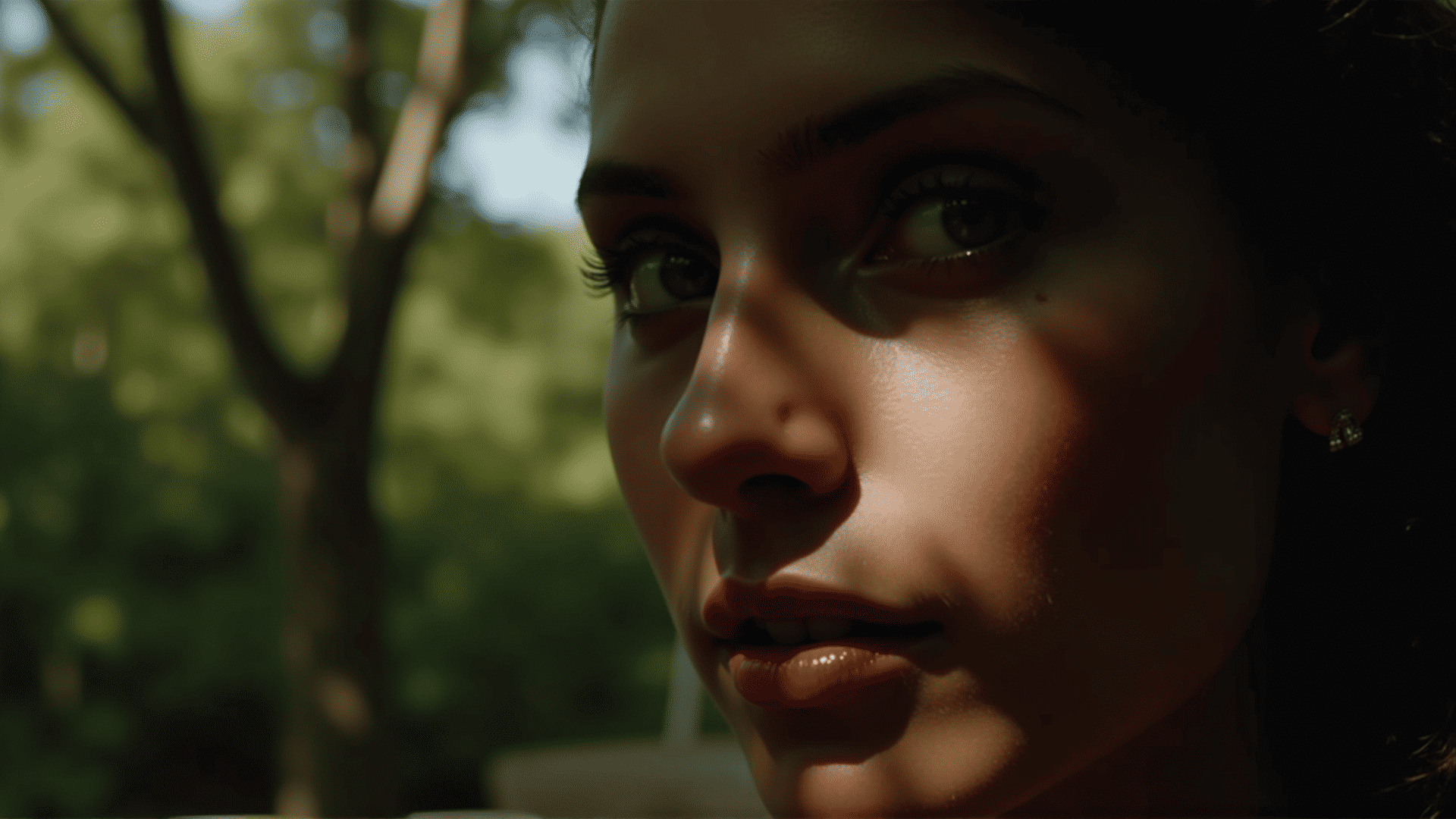
In the world of photography, mastery over light is akin to holding the key to creating compelling images. Light molds the subject, shapes the ambiance, and can dramatically alter the viewer's perception. Understanding how to utilize both natural and artificial sources can transform photographs from mundane to extraordinary.
Natural Light: Harnessing the Sun
Natural light offers a dynamic and ever-changing toolkit for photographers. The sun provides different intensities and qualities of light throughout the day, giving ample opportunities to experiment and capture diverse moods.
-
Golden Hour Magic: The golden hour, occurring shortly after sunrise and before sunset, is favored for its soft, directional light that casts pleasing shadows and brings a gentle warmth to images. This period is ideal for portraits and landscape photography.
-
The Blue Hour: Just before sunrise and after sunset, the blue hour delivers a cooler, softer tone, perfect for capturing serene landscapes or dramatic cityscapes bathed in a gentle blue hue.
-
Midday Challenges: While midday light is harsher, it can be used effectively to create high-contrast, punchy images. Utilizing natural elements, such as trees or architectural features, as diffusers can help soften these intense rays.
Artificial Light: Controlling Every Aspect
Artificial lighting provides full control over a scene's illumination, enabling photographers to shape the narrative and mood of their images with precision.
-
Studio Lighting: In controlled environments like studios, artificial lights such as strobes or continuous light sources allow for meticulous crafting of highlights and shadows. This setup is ideal for products, portraits, and any scenario where light consistency and control are paramount.
-
Portable Flashes: Speedlights and on-camera flashes offer flexibility, adding fill light or creating dramatic effects on-the-go. They’re indispensable tools for events and low-light conditions where natural light is insufficient.
-
LED Lights: Modern LED panels are versatile and efficient, providing a constant light source with adjustable color temperatures. These tools are particularly useful for videography and still-life photography.
Combining Natural and Artificial Sources
Sometimes, integrating both light sources can lead to remarkable results. This combination allows photographers to maintain the authenticity of natural light while introducing the predictability of artificial lighting.
-
Balancing Act: When working outdoors or in mixed-light environments, photographers can use artificial light to fill shadows or highlight certain aspects of the scene, creating images that balance natural beauty with artistic flair.
-
Creative Techniques: Using reflectors, flags, and diffusers alongside artificial light sources can manipulate natural light to a photographer's advantage, enhancing texture and depth.
The Power of Light in Creating Mood
Ultimately, lighting in photography isn't just about illumination; it's a tool for storytelling. Different angles, intensities, and types of light can evoke emotions, guide the viewer’s eyes, and emphasize the subject’s features.
-
Moody Shadows: Utilizing shadows can add mystery and depth to an image. Strategic placement of light sources can create dramatic contrasts that intrigue and draw viewers into the story.
-
Soft and Dreamy: Soft light, achieved through diffusers or shooting during overcast days, can lend an ethereal quality to portraits and landscapes, offering a sense of tranquility.
Mastering lighting in photography is more than a technical skill; it's an art form—an essential aspect of creating images that resonate, captivate, and endure. By exploring and experimenting with both natural and artificial light, photographers unlock endless possibilities to tell their unique visual stories.