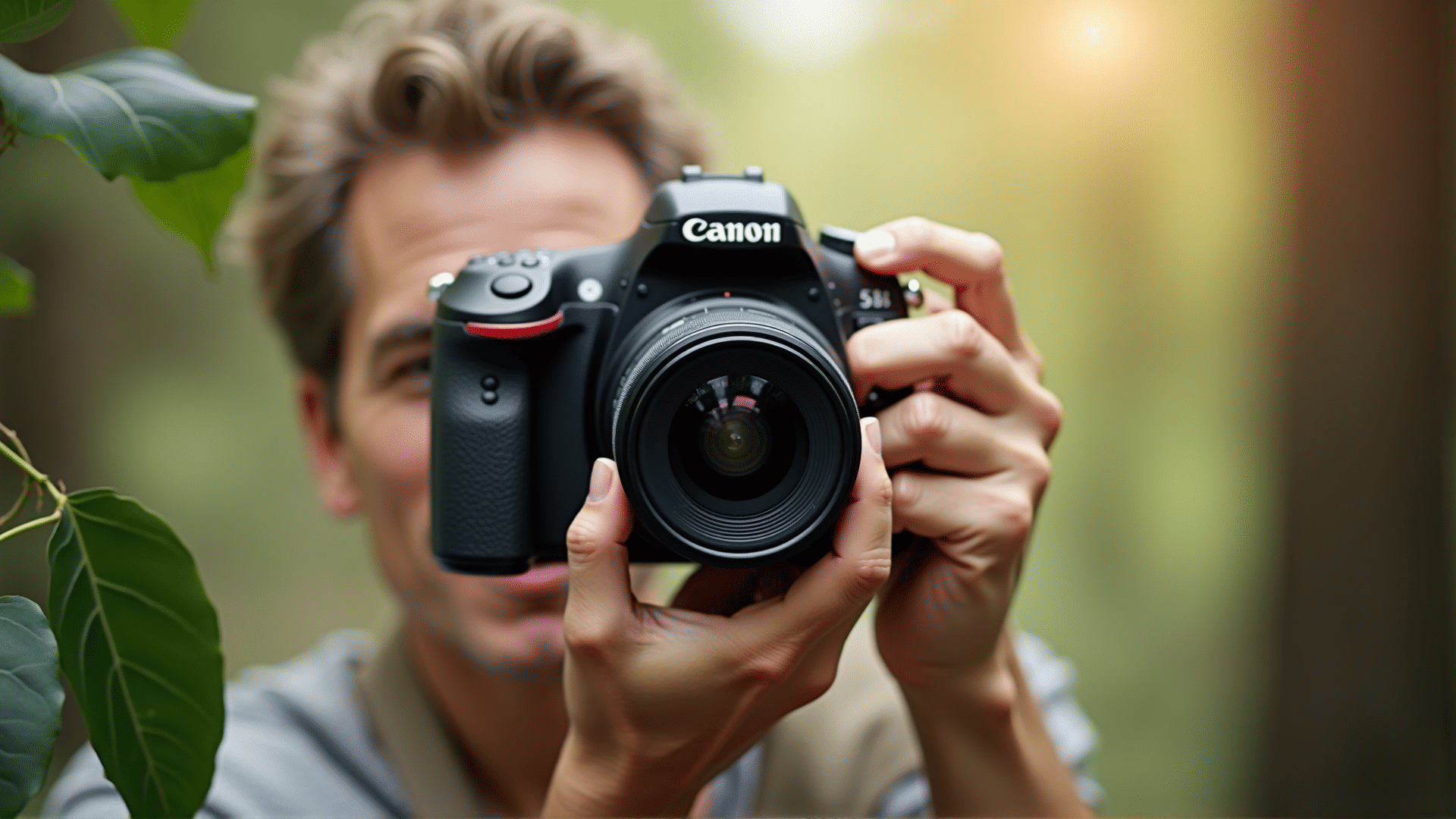
Understanding the intricacies of camera settings is essential to elevate your photography skills and capture the subtleties that define each scene. This mastery transforms photos from simple images to compelling art, allowing photographers to express their creative vision.
The core elements of camera settings are often referred to as the "exposure triangle": aperture, shutter speed, and ISO. Each component plays a vital role in determining the exposure and overall quality of an image.
Aperture controls the size of the lens opening through which light enters the camera. Measured in f-stops, a lower number signifies a wider opening. A larger aperture (small f-stop) creates a shallow depth of field, ideal for portraits where the background is artistically blurred, bringing emphasis to the subject. Conversely, a smaller aperture (large f-stop) increases depth of field, offering sharpness throughout the image, which is perfect for landscapes.
Shutter Speed governs how long the camera's shutter remains open to expose the sensor to light. Fast shutter speeds are excellent for freezing motion, ideal for action shots and wildlife photography. Slow shutter speeds, on the other hand, capture movement in a unique way, creating ethereal effects such as the silky flow of water in a stream or the light trails from moving vehicles.
ISO adjusts the camera sensor's sensitivity to light. Lower ISO settings are used in bright conditions to maintain image quality, keeping digital noise at bay. Higher ISO levels are beneficial in low-light situations, yet they come with the trade-off of increased graininess. Finding the balance between sensitivity and image quality is crucial, especially in challenging lighting.
Beyond the exposure triangle, white balance is another critical element to consider. It ensures that the colors in an image appear natural and true to life, compensating for varying lighting conditions that can cause color casts. Understanding how to manually adjust white balance settings allows for precise control and creativity in conveying the mood of a photograph.
Additionally, the selection of a camera's focus mode can significantly influence the sharpness and composition of an image. Switching between autofocus modes—such as single-point autofocus for stationary subjects, or continuous focus for moving scenes—empowers photographers to capture their vision with clarity and precision.
The journey to mastering camera settings does not end here. With practice, photographers learn to instinctively choose the right combination of settings based on their unique goals and the demands of the scene. This technical proficiency empowers them to push creative boundaries, capturing moments with profound impact and storytelling power.
In conclusion, a deep understanding of camera settings is instrumental in refining one's photography skills. Whether capturing the fleeting expression of a portrait, the dynamic energy of a city street, or the serene beauty of nature, mastering these settings can enhance the artistic expression and technical prowess of any photographer.